

 EN
EN  ZH_CN
ZH_CN 


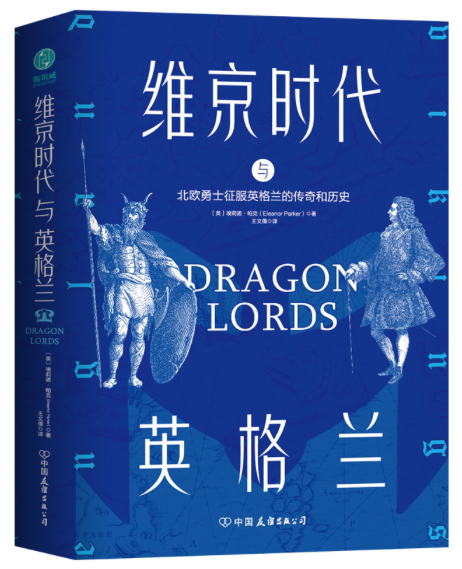





"All evil comes from the north":
Vikings, Kings and Saints, c.985-1100
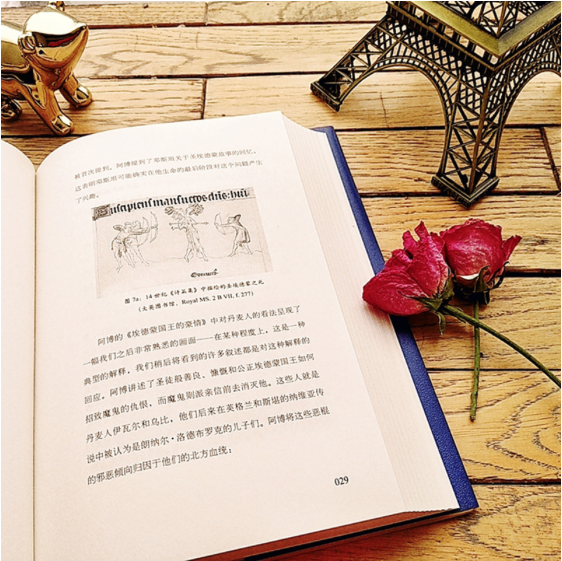
In the latter decades of the 10th century, after a period of relative calm, the Vikings intensified their activities in England. Beginning in 980, England was once again raided by numerous Scandinavian armies, acting separately or in concert, in search of spoils to conquer England. One poem that is often used to exemplify the literary representation of the Vikings during this tense period is The Battle of Maldon. It commemorates a battle fought on the coast of Essex in 991 between English troops and a force of Vikings. Although the English were defeated, the poem casts their defeat in the glory of heroism. The conflict has been described as a national struggle against Viking armies described as "slaughter-wolves" and "heathen warriors". They are a group of people with no names and no faces. The poem gives us a wealth of information about the names, families, and homes of England's many warriors, from the high commanders of the armies to the humble foot soldiers. However, not a single person's name appears in the Viking army. The leaders of the Viking armies likely included prominent figures such as the Danish King Sweyn "The Mustache". In this light, it seems a willful and willful omission, a poetic choice, a deliberate decision to deny the Danes any detail that reveals their differences or individuality.
In this poem, the Viking messenger comes to ask for money in exchange for peace. Byrhtnoth, the commander of the British army, gives the Viking messenger a provocative answer: he gave the Danes a spear, Not a tribute. We shall encounter this rhetoric again later. When he stood on the coast of Essex, he called the Vikings "seamen", that is, creatures of the water, and talked about how to defend "this homeland", he compared the land that the Vikings were encroaching with England. The king's name is linked. His play on words suggests that this homeland can only be owned by Ethelred. The picture shows a strong and united England standing behind Bertnos, ready to repel raiders from the sea. He speaks powerfully, but even in poetry such words are futile—although intimidating, Bertnos himself fell in battle, the result of which he let the Vikings Move too deeply into the land. In later medieval accounts of the period, the poem's treatment of Ethelred's name is replaced by another, less respectful pun: the king is known historically as "the one who decides nothing," For in Old English Æthelred1 meant "honorable counselor," and "unræd" meant the opposite, "poor counselor,
Translator's Note: The Old English name for Æthelred is Æthelræd.
You must be logged in to post a review.
Related products
-

puppy money
DKK 68,00 -

-

rich dad poor dad
DKK 146,00 -

raising girls
DKK 72,00
Reviews
There are no reviews yet.